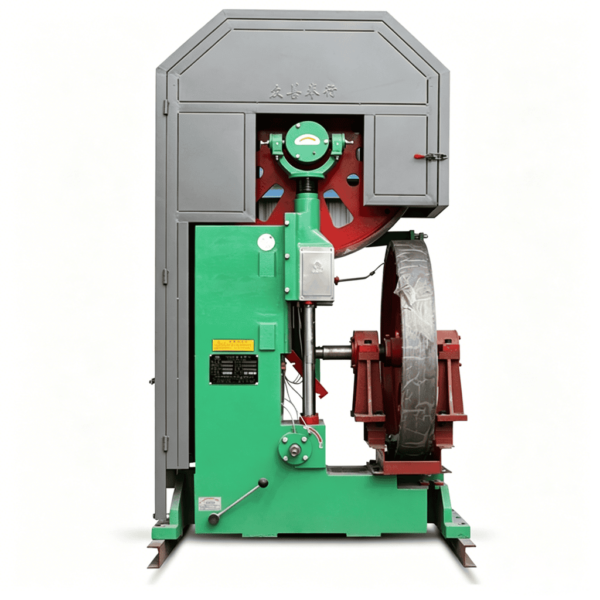
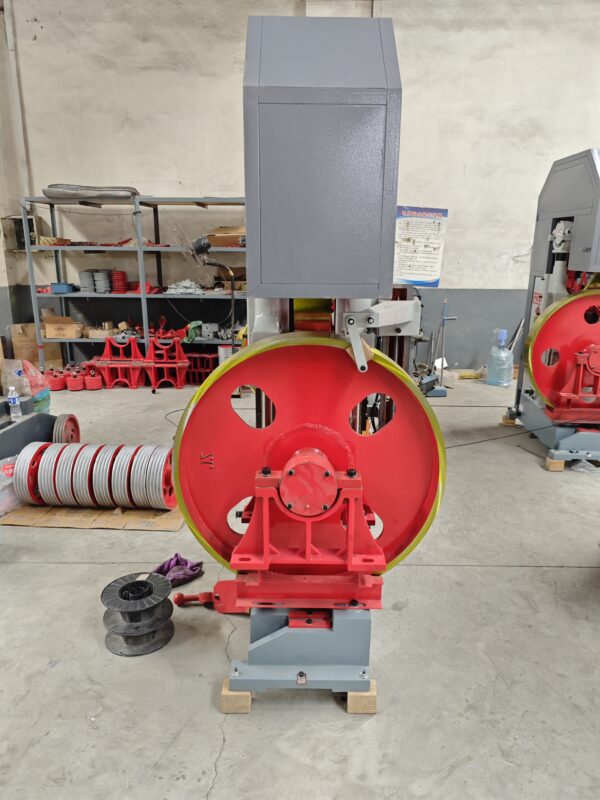
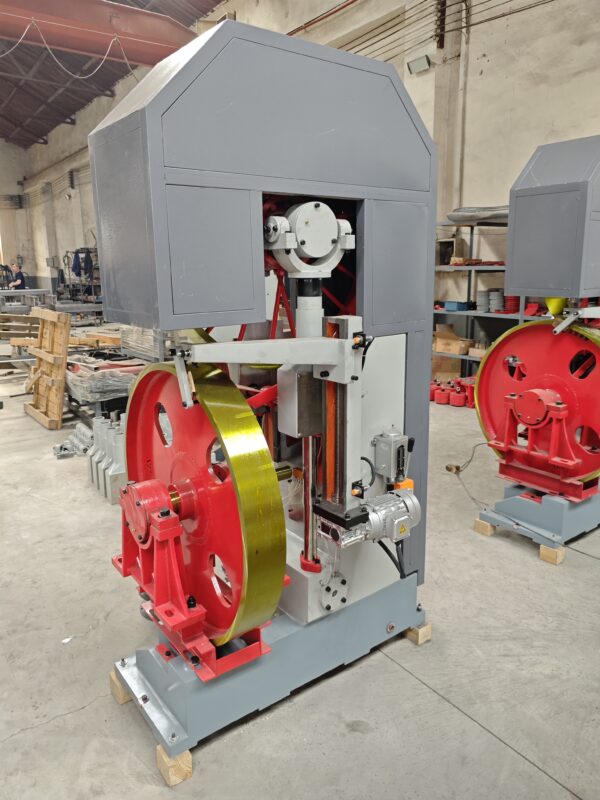
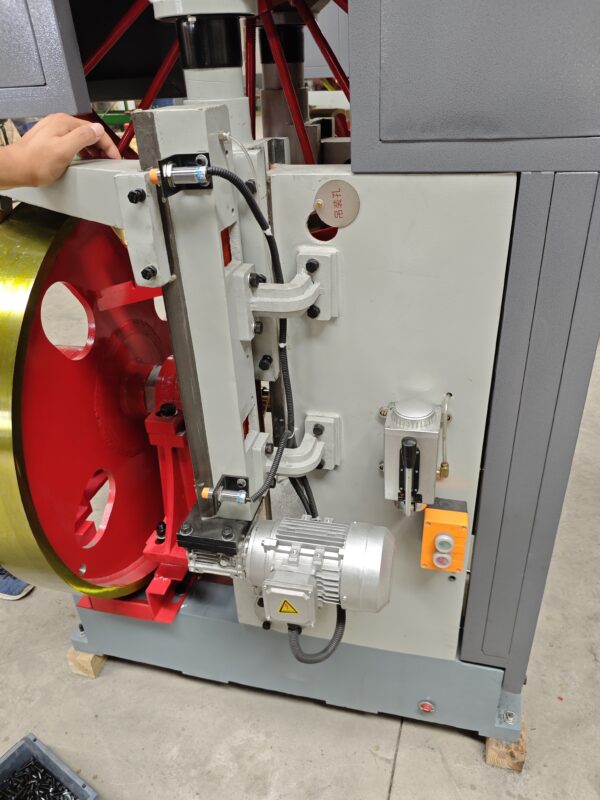
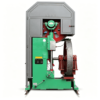
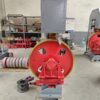
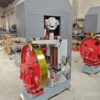
- Primary Usages & Applications
Vertical bandsaws are highly prized for their flexibility across different industries:
- Contour and Shape Cutting: Its primary strength is cutting complex curves, tight radii, and irregular shapes into sheet material or plates.
- Resawing (Woodworking): In woodworking shops, wide-bladed vertical bandsaws are used to slice large chunks of raw timber or logs into thinner, usable boards.
- Intricate Internal Cuts: By breaking the bandsaw blade, feeding it through a drilled hole in the workpiece, and welding it back together (often using a built-in blade welder on industrial models), operators can cut out completely enclosed internal shapes.
- General Purpose Fabrication: Quickly trimming corners, notching sheets, or making straight cuts on smaller pieces of metal, plastic, or wood.
- Key Advantages
Why choose a vertical bandsaw over other cutting machinery?
- High Versatility: It can cut a massive variety of materials—from soft woods and plastics to hardened alloys and titanium—simply by changing the blade type and adjusting the speed.
- Intricate Maneuverability: Because the blade remains stationary and the operator manipulates the workpiece, you have complete control over highly detailed, freehand cuts.
- Minimal Material Waste: Bandsaw blades are relatively thin, meaning they have a narrow kerf (the width of the cut). This results in less sawdust or metal shavings and saves valuable material.
- Large Workspace Depth (Throat Capacity): The distance between the blade and the vertical frame column (the “throat”) dictates how large a piece of material you can rotate and cut, allowing for the processing of wide sheets.
- Essential Machine Components
If you are looking to operate or purchase one, these are the critical elements to know:
- The Table: Usually made of heavy-duty cast iron, the table supports the workpiece. Most industrial tables can tilt (often up to 45°) for making precise beveled or angled cuts.
- Blade Guides: Positioned just above and below the cutting zone, these guides (usually ceramic blocks or roller bearings) keep the flexible blade tracking perfectly straight and prevent it from twisting under pressure.
- Variable Speed Control: Metal-cutting vertical bandsaws require much slower blade speeds ( / Surface Feet Per Minute) than woodworking bandsaws (). High-end machines feature variable speed gearboxes to seamlessly transition between materials.
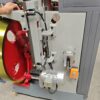
- Blade Welder: Many industrial metal-cutting units feature a built-in resistance welder, grinder, and shear. This allows shops to buy bulk blade stock and weld their own blades, or quickly perform internal contour cuts.