Address
No.4 Wenhua Road, Lanshan District, Rizhao City, Shandong, China
Work Hours
Monday to Friday: 7AM - 7PM
Weekend: 10AM - 5PM
Address
No.4 Wenhua Road, Lanshan District, Rizhao City, Shandong, China
Work Hours
Monday to Friday: 7AM - 7PM
Weekend: 10AM - 5PM

Discover the fascinating world of wood debarker machines, essential for efficient timber processing in industries like pulp and paper manufacturing.
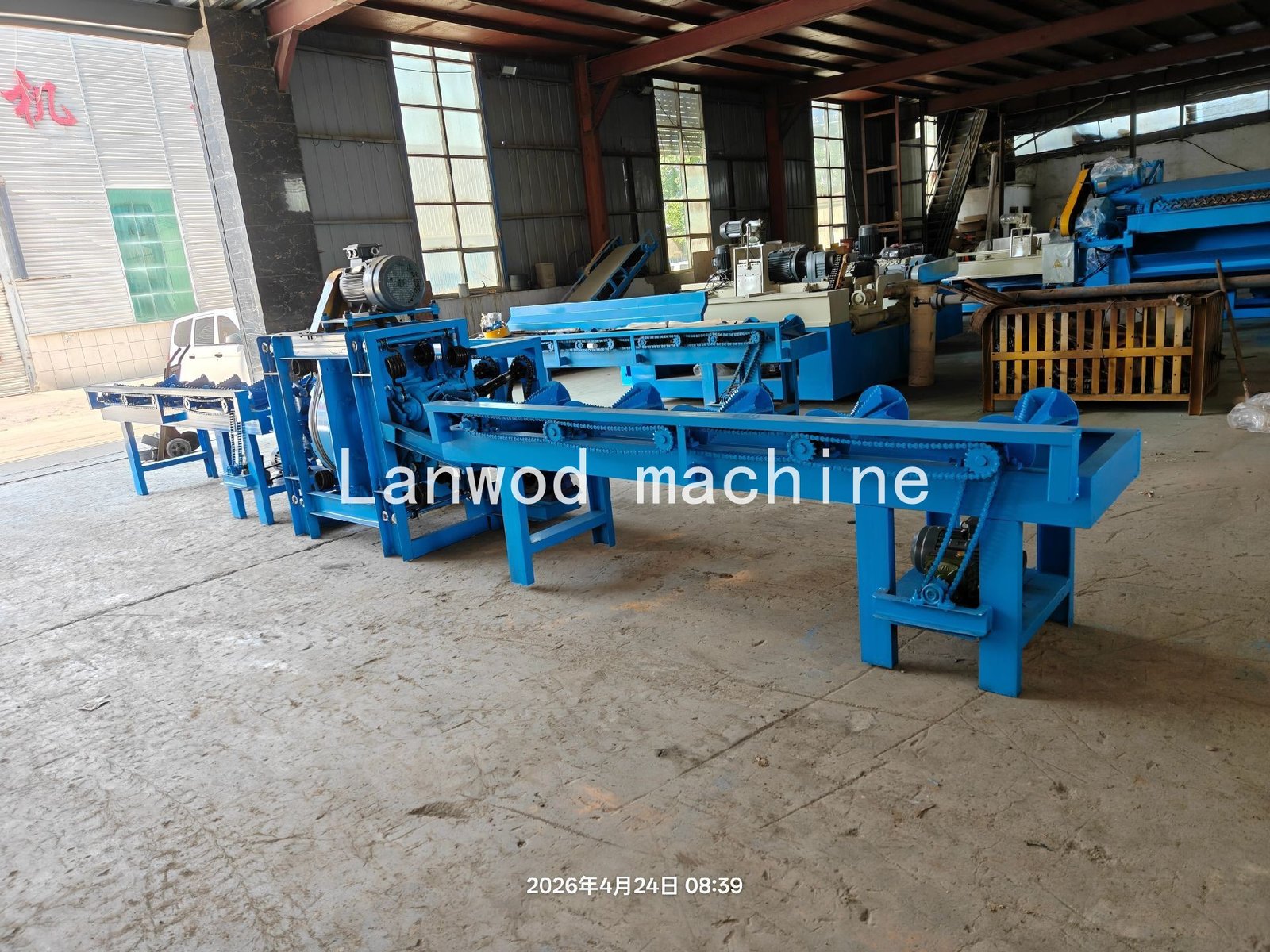
The wood debarker machine primarily consists of a main unit, a feeding mechanism, a discharge mechanism, and a drive system. As essential equipment for pulp and paper manufacturing, wood processing, wood chip production, and large-scale timber harvesting in southern forest regions, it is widely used in medium-density fiberboard (MDF) plants, paper mills, wood chip production facilities, plywood factories, and forestry operations in the southern regions.
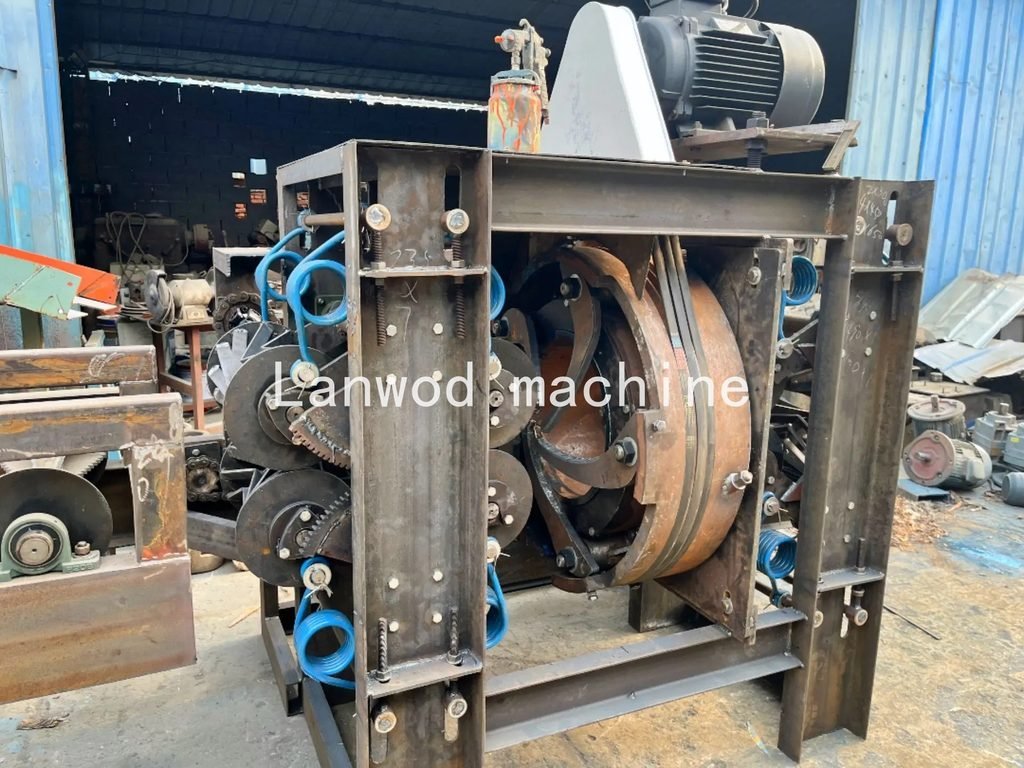
Many sawmill owners know that wood debaker machine debarks logs quickly, but they don’t fully grasp why it’s so efficient without damaging the timber. Today, I’ll explain the working principle of the ring-type log debarker in plain, accessible language—so you can make an informed purchase and use it with complete confidence.
Logs are introduced into the feed inlet—either via conveyor rollers or manual placement—where integrated clamping rollers automatically secure them. This ensures the logs advance at a steady speed along the central axis, preventing them from tilting or becoming jammed.
The wood debarker accommodates a wide range of log sizes, smoothly handling everything from 5 cm thin branches to 32 cm thick logs.
Once a log enters the chamber, a set of 4–5 circular cutter rollers rotates at high speed around it, applying a controlled, flexible pressure.
Specially designed teeth on the cutter rollers grip the bark layer. Through a combination of rotational friction and cutting force, the bark is effectively “rubbed” off the wood.
Because the contact is flexible, the rollers do not aggressively gouge the wood itself; they target only the outer bark layer, minimizing wood loss at the source.
The removed bark falls away through the gaps between the cutter rollers, while the debarked logs continue moving forward. They exit through the discharge port, ready for the next stage of processing—such as chipping or sawing.
The entire process automatically separates the bark from the wood, eliminating the need for manual sorting and saving both time and labor.
If you have interesting in the wood debarker machine, please click the following link to get more detailed info.
