Address
No.4 Wenhua Road, Lanshan District, Rizhao City, Shandong, China
Work Hours
Monday to Friday: 7AM - 7PM
Weekend: 10AM - 5PM
Address
No.4 Wenhua Road, Lanshan District, Rizhao City, Shandong, China
Work Hours
Monday to Friday: 7AM - 7PM
Weekend: 10AM - 5PM

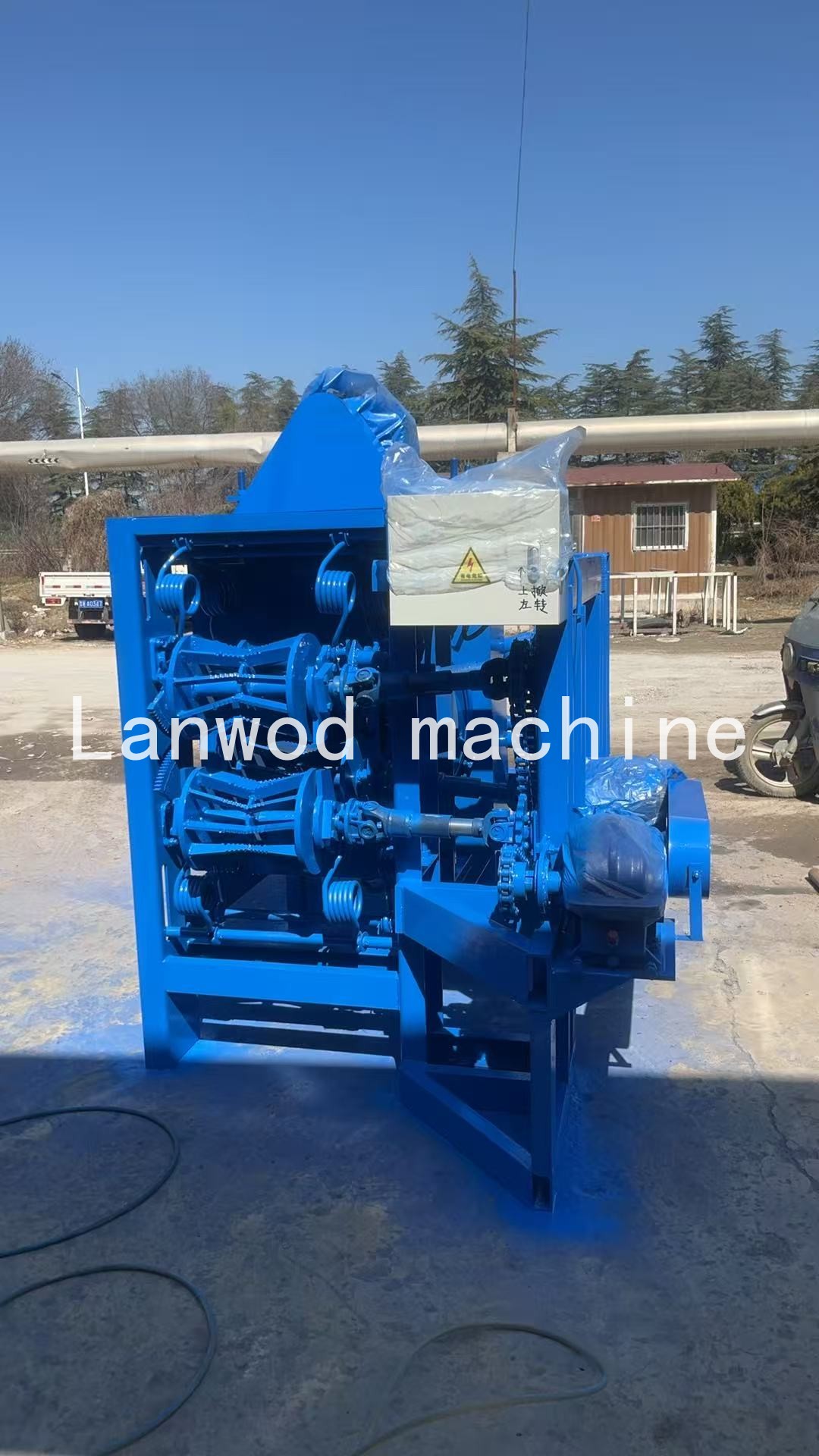
In the modern wood processing industry, efficiency and precision are paramount. Among the essential equipment that drives productivity, the ring debarker (also known as a ring-type log debarker or circular debarker) stands out as a game-changer for plywood production, veneer manufacturing, sawmills, pulp mills, and wood chip plants. Designed to strip bark from round logs continuously and with remarkable consistency, this machine is the preferred choice for operations demanding high throughput and minimal wood loss.
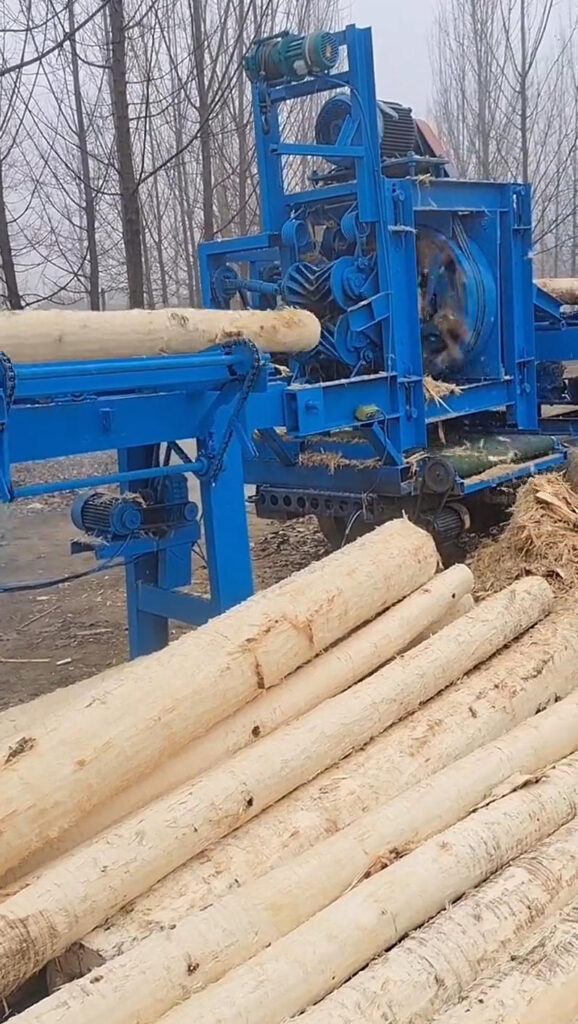
How Does a Ring Wood Debarker Work?
The principle behind a ring wood debarker is both simple and highly effective. Logs are fed into the machine—typically via chain or roller conveyors—and pass through a circular ring outfitted with knives or toothed rollers. As the ring rotates around the log, the knives engage the bark in a continuous 360° action, scraping it cleanly from the surface. Advanced models feature diameter sensing and automatic ring adjustment systems, using springs, hydraulics, or pneumatic controls to match the tool pressure to the specific diameter of each incoming log. This ensures optimal bark removal across a wide range of log sizes and species, including curved or cold wood.
Key Advantages of Ring Wood Debarkers
Applications Across the Wood Industry
Ring debarkers are indispensable in a variety of sectors:
A Market Leader in Debarking Technology
Ring wood debarkers currently hold the largest share of the global debarker market, accounting for approximately 28.5% of total market share. Their widespread adoption in sawmills and pulp facilities is a testament to their reliability, efficiency, and lower operational costs. Leading manufacturers offer a range of models to suit every application—from low-speed operations to the highest-speed production lines in the industry.
Choose the Right Ring Wood Debarker for Your Operation
Whether you are processing softwood or hardwood, small-diameter plantation logs or large-diameter timber, there is a ring debarker designed to meet your specific needs. With options ranging from compact units for small mills to heavy-duty industrial machines capable of processing logs up to 600 mm in diameter, investing in a ring debarker is investing in productivity, quality, and profitability.
Contact us today to learn more about our ring wood debarker models and how they can transform your wood processing line!
